
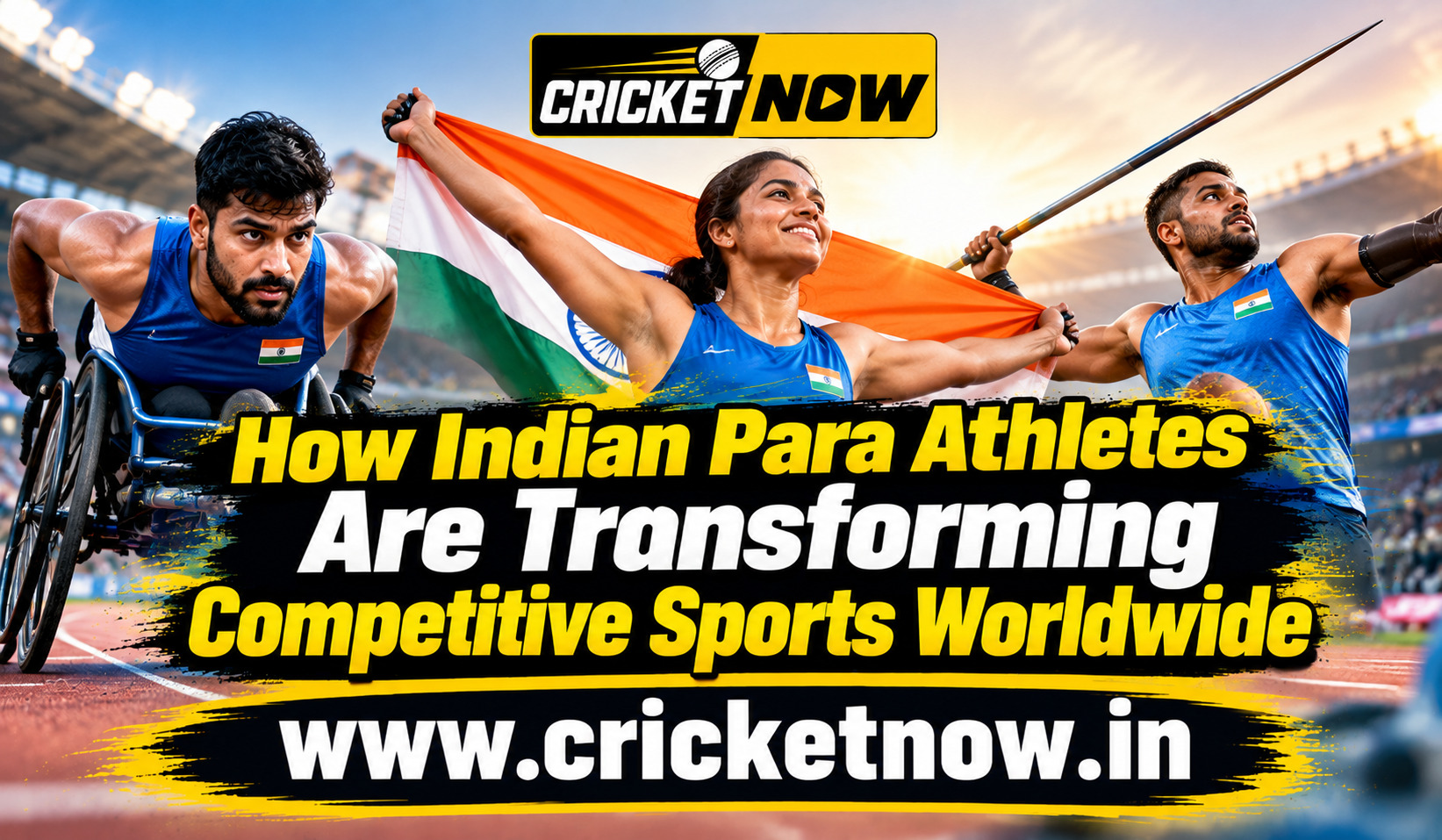
Indian para-athletes are changing the way the world views competitive sports through their achievements, determination, and growing presence at international championships. From Paralympic gold medals to world records in athletics and archery, Indian athletes with disabilities are demonstrating that sporting excellence depends on skill, preparation, and opportunity.
India’s performance at the Paris 2024 Paralympic Games marked a major milestone. The country won a record 29 medals, including seven gold, nine silver, and 13 bronze. This achievement reflected years of progress in training, athlete support, coaching, and participation across different para-sports.
Athletes such as Sheetal Devi, Sumit Antil, Avani Lekhara, Nishad Kumar, and Harvinder Singh have become internationally recognised competitors. Their performances have helped bring greater attention to para-sports and encouraged conversations about accessibility, equal opportunities, and the future of competitive athletics.
Their influence extends beyond medals. Indian para-athletes are helping change public attitudes, inspiring young people, and showing sporting organisations why investment in inclusive competition matters.
India’s Rise in International Para-Sports
India’s progress in para-sports has become increasingly visible over the past decade. Athletes who once received limited mainstream attention are now competing for major international titles and setting records against some of the world’s strongest competitors.
The Paris 2024 Paralympics represented a significant step forward, with Indian athletes winning medals across several disciplines. These included athletics, badminton, archery, shooting, and other sports.
The achievement was important because it demonstrated the growing depth of India’s para-sports talent. Success was not limited to one athlete or one event. Instead, competitors from different backgrounds contributed to the country’s strongest Paralympic medal tally at that time.
India’s performances at the World Para Athletics Championships and Asian Para Games have also helped build momentum. Regular participation in international competitions gives athletes opportunities to test their skills, gain experience, and learn from competitors with different training methods.
As the sporting system develops, the goal is not simply to win more medals. It is also to create pathways that allow people with disabilities to participate in sport, access professional coaching, and pursue competitive careers.
Athletes Who Are Changing the Global Sporting Landscape
Several Indian para-athletes have become symbols of this progress. Their achievements demonstrate the different ways athletes can succeed through specialised training, technical ability, and determination.
Sheetal Devi and the Future of Para-Archery
Sheetal Devi has become one of India’s most recognisable para-archers. Born without arms, she developed a distinctive shooting technique using her feet and legs to position the bow and her shoulder and jaw to draw and release the string.
She won gold at the 2023 Asian Para Games and bronze in the mixed team compound event at the Paris 2024 Paralympics. Her performances have attracted international attention because of both her accuracy and her highly adapted technique.
Sheetal’s success demonstrates that sporting equipment and techniques can be adapted to suit individual athletes. Her achievements also encourage coaches and sports organisations to consider how accessible training environments can help more people participate.
Sumit Antil Raises the Standard in Javelin
Sumit Antil has established himself as one of India’s leading para-athletes through his performances in the men’s javelin throw F64 category. He won gold at the Tokyo 2020 and Paris 2024 Paralympics, demonstrating consistency at the highest level.
Javelin throwing requires explosive power, precise timing, and control over the entire throwing movement. Antil’s success shows how technical preparation and sustained training can help athletes improve their performance over time.
His achievements have also brought greater visibility to para-athletics in India, encouraging interest in field events that may previously have received less public attention.
Avani Lekhara and the Growth of Para-Shooting
Avani Lekhara has played an important role in increasing the visibility of para-shooting. She became the first Indian woman to win a Paralympic gold medal when she triumphed in the women’s 10-metre air rifle standing SH1 event at Tokyo 2020.
She successfully defended that title at Paris 2024, reinforcing her position among the leading competitors in her discipline.
Shooting requires exceptional concentration, controlled breathing, and precise movement. Avani’s success shows how athletes can develop specialised techniques to compete at the highest level while managing their individual physical requirements.
How Para-Athletes Are Changing Public Perceptions
The influence of Indian para-athletes goes beyond competition results. Their achievements are helping challenge assumptions about disability and sporting ability.
When athletes win international titles, set records, and perform in front of global audiences, they demonstrate that disability does not define the limits of a person’s sporting potential. Their success encourages people to focus on performance, technique, and achievement rather than assumptions about what athletes can or cannot do.
This change in perception is particularly important for children and young adults with disabilities. Seeing athletes compete internationally can make sport appear more accessible and provide examples of what dedicated training can achieve.
Para-athletes also help broaden discussions about inclusion. Their experiences can highlight the importance of accessible stadiums, suitable equipment, trained coaches, and equal opportunities to compete.
However, public attention should not depend only on medals. Athletes at every level deserve opportunities to participate, develop their skills, and enjoy sport. A genuinely inclusive sporting culture supports both elite competitors and people who want to play recreationally.
The Role of Coaching, Funding, and Technology
International success requires more than determination. Para-athletes need access to professional coaching, appropriate equipment, medical support, training facilities, and regular competition.
India has expanded support through initiatives such as the Target Olympic Podium Scheme and the Khelo India programme. Support for para-athletes includes training opportunities, financial assistance, equipment, and access to specialised coaching for eligible competitors.
Technology has also become an important part of modern para-sports. Athletes may use adapted equipment, advanced training methods, video analysis, and performance monitoring to improve their technique.
Different sports require different forms of support. A para-archer may need customised equipment and coaching to refine shooting movements, while a wheelchair badminton player may require specialised mobility training and equipment adjustments.
Effective support systems help athletes focus on training and competition rather than facing every challenge alone.
Challenges Indian Para-Athletes Still Face
Despite the progress, important barriers remain. Not every aspiring athlete has access to accessible facilities, specialised coaches, or affordable sporting equipment.
Para-sports can also receive less media coverage and sponsorship attention than mainstream competitions. This can make it harder for athletes to secure financial support, maintain long-term training programmes, and build professional careers.
Other challenges include travelling to competitions, accessing suitable transport, and finding sporting venues that accommodate different accessibility requirements.
Addressing these barriers requires sustained action from sports organisations, government agencies, schools, sponsors, and local communities.
Key priorities include:
- Building accessible training centres and competition venues.
- Expanding opportunities to identify and develop young para-athletes.
- Improving access to coaching, equipment, and financial support.
- Increasing media coverage and sponsorship for para-sports.
Progress in these areas would help ensure that talented athletes are not prevented from competing because of circumstances unrelated to their sporting ability.
How Indian Para-Athletes Influence Sport Worldwide
Indian para-athletes are contributing to the global development of para-sports by demonstrating new levels of performance and bringing attention to inclusive competition.
Their achievements encourage international coaches and organisations to study successful training methods, support athlete-led adaptations, and recognise the importance of individual approaches to performance.
India’s growing presence also strengthens competition across Asia and beyond. When more countries invest in para-sports, athletes gain access to stronger competition, better preparation, and opportunities to improve world standards.
The influence of Indian athletes can be seen in several areas:
- Greater international visibility for para-sports.
- Increased awareness of accessible training and competition.
- Stronger motivation for young athletes with disabilities.
- More discussion about equal opportunities in professional sport.
The wider goal is to create a sporting environment where athletes are judged by their performances and receive the resources needed to develop their potential.
Conclusion
Indian para-athletes are transforming competitive sports through international achievements, technical innovation, and a growing influence on public attitudes towards disability. The country’s record 29-medal performance at the Paris 2024 Paralympics demonstrated how far its para-sports programme has progressed.
Athletes such as Sheetal Devi, Sumit Antil, and Avani Lekhara have helped bring global attention to India’s sporting talent. Their success shows what can happen when determination is supported by coaching, training, equipment, and opportunities to compete.
The next stage of progress will depend on making sport more accessible, improving support for emerging athletes, and ensuring that para-sports receive sustained attention. By building on recent achievements, India can continue contributing to a more inclusive and competitive global sporting community.
Frequently Asked Questions (FAQs)
1. How are Indian para-athletes transforming competitive sports?
They are winning international medals, setting records, increasing awareness of para-sports, and demonstrating how adapted techniques and inclusive training can support sporting excellence.
2. How many medals did India win at the Paris 2024 Paralympics?
India won 29 medals: seven gold, nine silver, and 13 bronze. It was the country’s best-ever Paralympic medal tally at the time.
3. Who are some of India’s leading para-athletes?
Prominent athletes include Sheetal Devi in archery, Sumit Antil in javelin, Avani Lekhara in shooting, and Nishad Kumar in high jump.
4. What challenges do Indian para-athletes face?
Challenges include limited access to specialised coaching, accessible facilities, suitable equipment, sponsorship, media coverage, and regular competitive opportunities.
5. How can India support the future of para-sports?
India can expand accessible sports facilities, provide funding and equipment, train more specialised coaches, increase grassroots participation, and create stronger pathways from local competitions to international events.